
Atlantic winters are tough on vehicles. Between road salt, ice, slush, and long stretches of freezing temperatures, certain car parts wear out much faster than they would in milder conditions. Many winter breakdowns are more predictable than you might think.
In this guide, the experts at Race Auto Group break down the car parts most affected by harsh winters, explain why they fail, and share simple ways to protect your vehicle before winter car damage turns into costly repairs.
Why Winter Conditions Break Parts Down Faster
Winter driving in Atlantic Canada creates a perfect storm for accelerated wear. It’s not just the cold or the salt alone; it’s the cold, moisture, and salt working together that damage parts over a long winter.
- Road salt speeds up corrosion on exposed metal parts
- Freezing temperatures reduce battery efficiency and stress electronics
- Ice, slush, and snow increase braking and tire wear
- Freeze–thaw cycles lead to potholes that strain suspension components
Over time, these conditions take a real toll on key systems that keep your vehicle safe and reliable.
Parts Most Affected by Winter Car Damage
Some components of used vehicles consistently struggle more than others once winter sets in. Knowing what to watch for and how to stay ahead of problems can help you avoid unexpected repairs.
1. Battery
Cold weather is one of the biggest enemies of your car battery. Low temperatures reduce power, and short winter trips often don’t give it enough time to fully recharge. Luckily, there are some car battery warning signs that can help you stay ahead of issues.
- Why It Fails Faster: Cold slows chemical reactions inside the battery, lowering output
- Early Warning Signs: Slow engine cranking, dim lights, frequent jump-starts
- Prevention Tip: Have the battery tested before winter and keep terminals clean and corrosion-free
If your battery is already a few years old, winter often exposes weaknesses quickly. Luckily, paying attention to car battery warning signs can help keep you moving through the winter.
2. Brakes
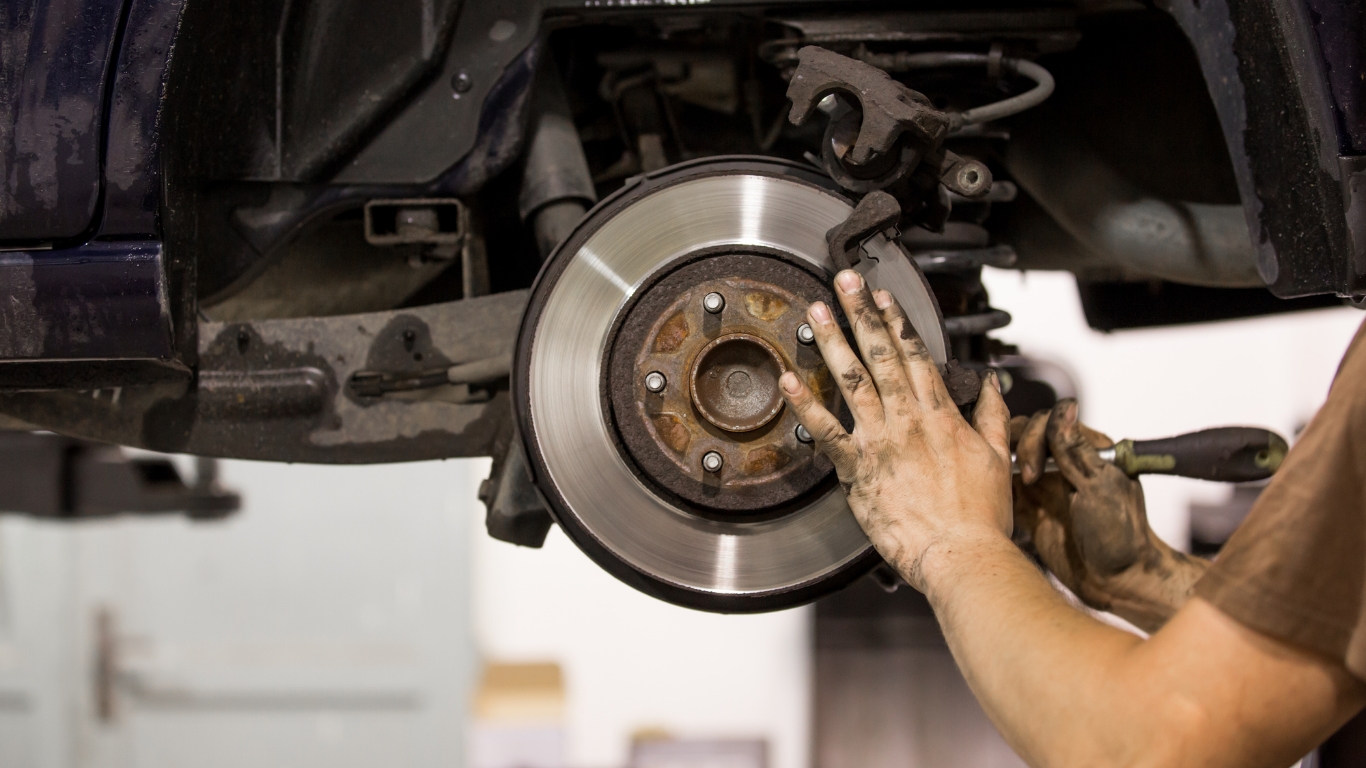
Your brakes are some of the most important components to stay safe on winter roads, and they work harder with slippery roads and stop-and-go driving. Salt and moisture can also cause corrosion on rotors, callipers, and brake lines.
You may notice:
- Squealing or grinding sounds
- Pulsing or vibration when braking
- Longer stopping distances
Rinsing salt off your vehicle regularly and scheduling a brake inspection before winter can help limit winter car damage and catch problems early.
3. Tires
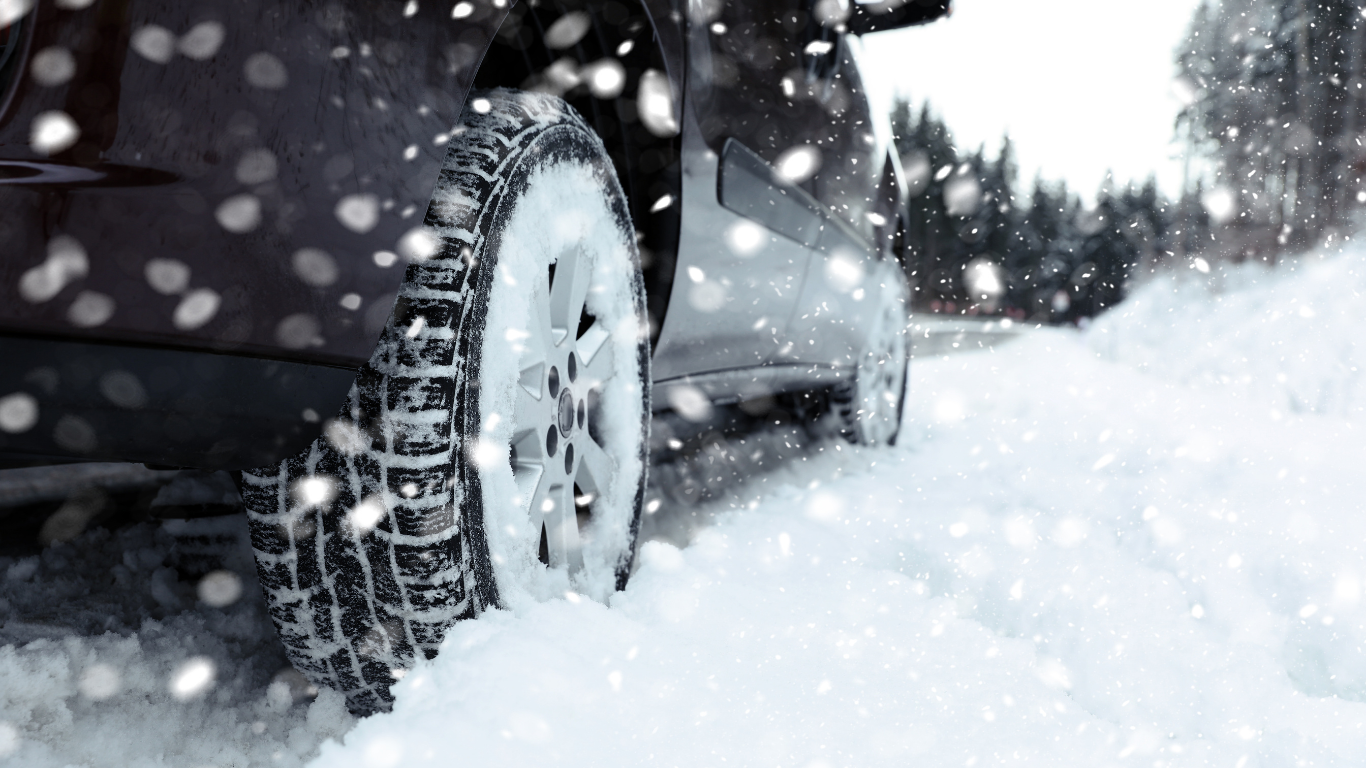
Cold temperatures cause rubber to stiffen, reducing grip and increasing stopping distance. That’s why timing the switch to winter tires is so important for drivers in Atlantic Canada.
Snow tires are designed to stay flexible in freezing weather and provide better traction on ice and packed snow. All-season tires, by comparison, lose effectiveness as temperatures drop.
Other winter tire concerns include:
- Tire pressure dropping in cold weather
- Uneven wear caused by rough roads and potholes
- Reduced tread depth making slush and ice harder to handle
Installing snow tires early, rotating them regularly, and checking pressure throughout winter can make a noticeable difference in control and safety.
4. Exhaust System
The exhaust system is especially vulnerable to winter conditions. Moisture from condensation combines with road salt to accelerate rust, particularly on pipes, mufflers, and mounting hardware.
Common signs of winter-related exhaust issues include:
- Louder-than-normal exhaust noise
- Visible rust underneath the vehicle
- Rattling sounds while driving
Washing the undercarriage after heavy salt exposure and having the exhaust inspected during routine service can help prevent small issues from spreading.
5. Suspension And Steering Components
Potholes, frozen ruts, and uneven winter roads put extra stress on suspension and steering parts. Shocks, struts, ball joints, and tie rods all impact winter road safety, and they take a beating in the cold months.
Stressors include repeated impacts and rough road surfaces. What drivers often notice is a rougher ride, pulling to one side, or uneven tire wear. If handling feels different after winter, a suspension and alignment check is a smart move.
General Winter Car Protection Tips
You don’t need to overhaul your entire vehicle to reduce winter car damage. A few diligent seasonal car maintenance practices go a long way.
- Wash your vehicle regularly, especially the undercarriage
- Test your battery before deep cold arrives
- Install snow tires before temperatures consistently drop
- Check fluids to ensure they’re winter-rated and topped up
- Book a pre-winter inspection to catch issues early
These small steps can help protect the car parts winter conditions affect most.
How Race Auto Group Keeps You Ready for Winter
Our service department is here to help you stay ahead of winter car damage through practical maintenance and seasonal inspections. From checking batteries and brakes to making sure your tires and exhaust system are winter-ready, our team focuses on the car parts winter weather impacts most, so you can drive with more confidence all season long.
At Race Auto Group, we help drivers get behind the wheel of reliable used cars for winter driving. All of our thoroughly inspected used vehicles are selected with real-world Atlantic Canada conditions in mind.
Stay Ahead of Winter Car Damage
Atlantic winters are unavoidable, but many cold-weather breakdowns are not. By understanding which parts fail faster and taking simple preventive steps, you can keep your vehicle safer, more reliable, and easier to live with all winter long.
If you want help getting winter-ready, visit Race Auto Group to explore thoroughly inspected used vehicles or book a seasonal service check with our team. Contact us today for clear guidance and next steps, so you can head into winter with confidence.

FAQs
Can winter damage affect newer or low-mileage vehicles too?
Yes. Cold temperatures, road salt, and moisture affect vehicles of all ages. Even newer cars can experience battery issues, brake corrosion, or tire pressure problems during winter.
What’s the best time to prepare my vehicle for winter?
Late fall, before freezing temperatures and heavy salt use begin, is ideal. Preparing early helps avoid service delays and reduces the risk of breakdowns during the coldest months.
If my car starts fine, does that mean the battery is okay?
Not always. Batteries can weaken gradually and still start the car — until a sudden cold snap causes failure. A quick battery test can reveal issues before that happens.
How often should my vehicle be inspected during winter?
For most drivers, one inspection before winter and another midway through the season is a good rule of thumb. This helps catch issues caused by salt, cold, and rough road conditions before they worsen.
